
.png?width=1326&height=405&name=EMPALogo_final_white-01%20(1).png)

📌 EMPA Short Take:
When something goes wrong with a client, stay calm, understand what happened, review your policies and documentation, and keep a clear record of what happens next. Know when a concern may need to be escalated, and make sure you have strong risk-management practices and comprehensive liability insurance in place so you have support when you need it.
Something has happened in your practice. Is this a problem you can handle yourself, or is this the moment you need to ask for help? How do you make that call when you’re worried about your client, yourself, and the business you’ve worked so hard to build?
Good risk management gives you something steady to lean on when the unexpected happens. Instead of trying to solve everything in a stressful moment, you can look at what happened, use the safeguards you already have in place, and decide whether it’s time to bring in additional support.
In this article, we’ll walk through how to assess a client's concern, what to review before you respond, and when it may be time to bring in additional support—so you can make that decision calmly and with care for everyone involved.
 What Should You Do if an Incident Occurs?
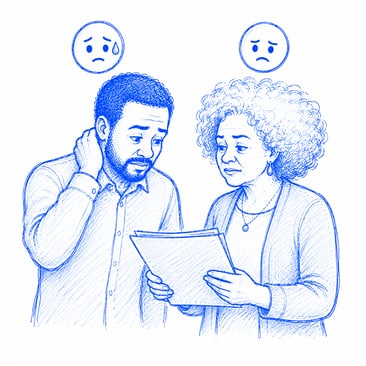
When a client brings a concern to you, give yourself a moment to understand what happened before deciding what it means. You may feel worried, defensive, or eager to make things right immediately. As you may do with your clients, take a breath, allow yourself a moment to ground and center.
You may start by considering your client’s immediate well-being. If there is a health or safety concern beyond your scope of practice, encourage them to seek appropriate care from a licensed healthcare professional or emergency services when necessary.
Then, listen. What is the client telling you happened? When did it happen? What are they concerned about now? What are they asking you to do?
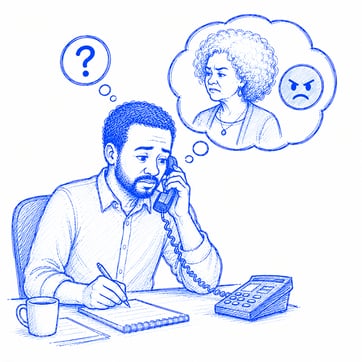
A client might report an unexpected physical or emotional response, question something that happened during the session, dispute a charge, request a refund, or tell you an interaction made them uncomfortable. Each situation may call for a different response.
You can show genuine concern and allow the client space to explain. A response such as - Thank you for telling me. I’d like to understand what happened so I can determine the appropriate next step - keeps the conversation focused on gathering the information you need.
💡Can You Really Be Sued for Something You Didn’t Do? Click to read more!
 How Does Good Documentation Help You Manage Risk?
Once you understand the concern, go back to your records. Depending on the situation, review your:
- Client intake form
- Signed informed consent
- Scope of practice
- Relevant client policies
- Session notes
- Emails, texts, or other communications
Here is a short example: a client who paid for a one-hour session received only 30 minutes. They’re angry and want a refund. You are caught off guard. First, you review your session notes and see that the client arrived 30 minutes late. Your signed policy states that late arrivals receive only the remaining portion of their appointment.
The client may still be unhappy, but your documentation changes your understanding of the situation. You can respond with compassion while referring back to the policy they agreed to and your record of what happened that day.
Some situations may not be as clear. Your records may show that something unexpected happened, or the client may raise a concern your agreements don’t address.
From that point forward, keep a dated record of the concern, what the client reported, how you responded, and any follow-up communication. Preserve relevant emails and text messages. It’s a best practice to create the record while the details are fresh rather than trying to reconstruct it later.
 When Does A Client Concern Need To Be Escalated?
This is the central risk-management decision: Can you appropriately address the concern within your normal client relationship, or does it need additional support?
Not every unhappy client represents a liability claim. A client may question a policy, have a scheduling disagreement, request a refund, or want clarification about something that happened.
Other situations may be more serious. A client might allege physical or emotional harm, make a serious accusation about your conduct, threaten a complaint or lawsuit, seek compensation for an injury, or have an attorney contact you.
A concern may need to be escalated when there is a specific event that could lead to a claim, rather than dissatisfaction alone. Ask yourself:
-
Was someone physically injured before, during, or after a session, class, workshop, or event? This could include a slip and fall, an injury during an activity, or an allergic or adverse reaction to a product used during a service.
-
Was there property damage for which you may be held responsible, such as damage to a rented space, client property, or someone else’s equipment?
-
Have you received a formal demand or legal communication related to your professional activities, such as a letter, email, attorney communication, lawsuit, or other legal notice?
If you answer yes to any of these questions, contact your insurance provider promptly and follow its process for reporting the incident. If something a client says or does leaves you wondering whether there could be an issue, it’s worth checking in with your agent or professional association — even if all you need is reassurance that there’s nothing more to do.
 What Can EMPA Do When You’re Not Sure What Comes Next?
An EMPA member may reach out because they aren’t sure what kind of situation they’re dealing with or where to turn next.
EMPA can discuss the situation with you and help determine whether it should move into the claims-reporting process. If a claim is warranted, you’ll complete a Claims Reporting Form, which EMPA submits to the insurer. From there, the insurer takes over the claims process and contacts you directly.
Part of managing risk is recognizing when a situation has moved beyond your expertise and bringing in the right support.
 What Happens If A Client Complaint Becomes A Liability Claim?
Being named in a claim does not automatically mean you did something wrong. EMPA has seen this firsthand.
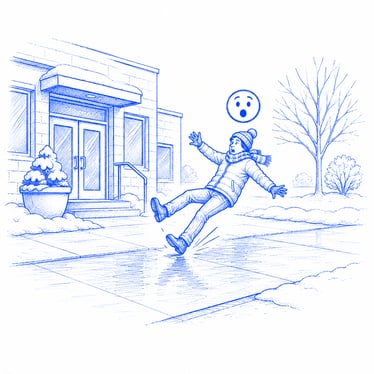
In one real case, an attendee left a workshop and slipped on snow or ice outside. The resulting claim named three defendants: an EMPA member, the workshop instructor, and the property owner where the workshop was held.
Each defendant had to pay a share of the claim and incurred legal expenses. The insurance company paid the EMPA member’s portion of the claim plus one-third of the legal expenses, totaling more than $20,000.
The incident wasn’t an allegation about the member’s healing work. It’s a useful example of how liability can arise from the broader circumstances surrounding your professional activities.
This is where different safeguards have different jobs. Professional liability insurance relates to claims connected with professional services, while general liability insurance can address risks such as bodily injury or accidents associated with the business. Exact coverage depends on the individual policy.
If a concern does become a claim, follow the instructions provided by your insurance provider, preserve your records and communications, and provide the information requested as the claim is reviewed.
 What Can You Learn After The Immediate Situation Is Over?
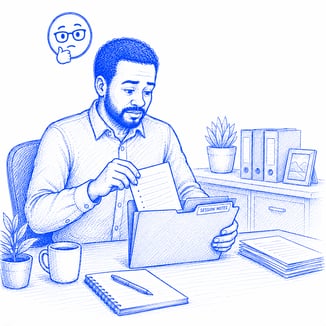
Once the situation is resolved, consider what can be learned. Did your policies and documentation give you what you needed? Is there anything you’d strengthen in your informed consent, scope of practice, session notes, or client communication?
This is also a good time to take a fresh look at your liability insurance. Does your coverage reflect the full practice you’ve built—your modalities, where and how you work, and the different risks that come with serving clients? Professional and general liability are important, but a comprehensive policy can offer additional layers of protection, which is why it’s worth understanding exactly what your policy includes before you need to use it.
You may find that you were fully prepared or identify a few places that deserve attention. Either way, you now know more about the risks within your own practice and can make more informed decisions about how you want to protect it moving forward.
💡Not sure how your current coverage compares? Download our free Buyer’s Guide to learn what to look for when evaluating coverage for your energy healing practice.
 What’s Next? You’re More Prepared To Handle The Unexpected
Something unexpected in your practice can shake your confidence, especially when you don’t immediately know how serious it is or what to do next.
Now, you have a path forward: understand what happened, review the foundation you already have in place, document carefully, and recognize when the situation needs additional support.
Good risk management can help you prevent many problems before they happen and feel more prepared for the ones you can’t predict. With thoughtful set-up and the right insurance protection around your practice, you can keep moving forward with more confidence in the work you’re building. 
Frequently Asked Questions
What Should An Energy Healer Do When A Client Complains?
Start by listening and gathering the facts. Address any immediate safety concerns, review your documentation, and keep a record of the complaint and your response.
When Should An Energy Healer Contact Their Liability Insurance Provider?
Some concerns can be handled through your normal practice policies, while others may need to be reported. Contact your insurance provider promptly if someone was physically injured, property was damaged and you may be held responsible, or you receive a formal demand, attorney communication, lawsuit, or other legal notice related to your professional activities. If you’re unsure whether an incident should be reported, contact your provider or professional association for guidance rather than trying to make that determination alone.
What Should You Document After A Client Incident?
Record what the client reported, when they contacted you, how you responded, and any follow-up communication. Keep relevant session notes, signed agreements, emails, and text messages together.
Can An Energy Healer Face A Liability Claim Even If They Did Nothing Wrong?
Yes. Being named in a liability claim does not automatically mean you were at fault, which is one reason appropriate documentation, risk management, and professional and general liability insurance are important.
Disclaimer: This article is for educational purposes only and does not provide legal, financial, or medical advice. The examples are general, and coverage may vary by policy. Always refer to your insurance provider or policy language for specific details, as the policy terms take precedence. For legal concerns related to your practice, consult an attorney.
Topics: